Inside the Great Siege Tunnels: What the Signage Leaves Out
Fifty kilometres of galleries were cut into this rock by hand. The first of them exist because of one sergeant and a problem nobody could solve.
Jaydan · 21 June 2026 · 8 min read
In 1779 Spain and France laid siege to Gibraltar for three years and seven months — the longest siege in British military history. The garrison held, and the reason is partly geological.
The problem: a rock you cannot shoot over
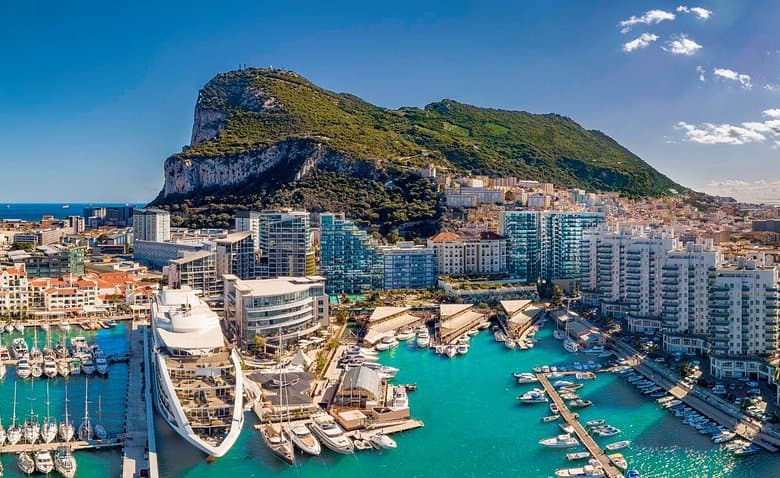
The northern face of the Rock is a near-vertical cliff. The besieging camp sat on the flat isthmus below it, comfortably outside the range of any gun the garrison could physically place. There was no position from which to fire on them.
The answer: dig
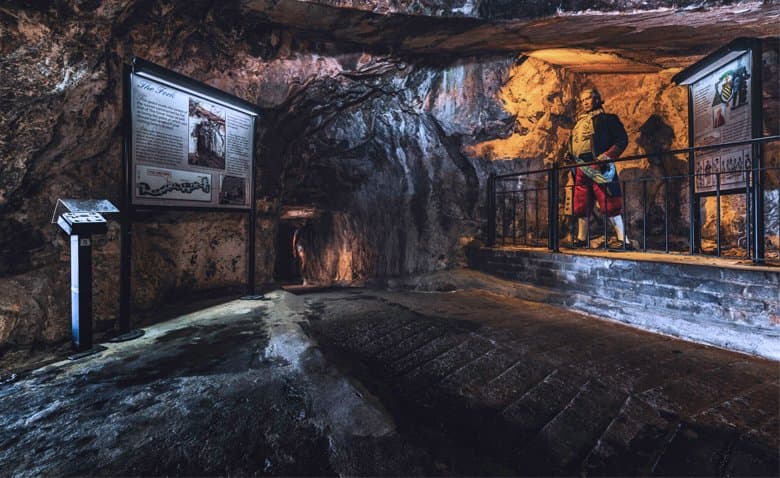
Sergeant-Major Henry Ince proposed tunnelling through the limestone to reach a natural outcrop halfway up the north face. The galleries were cut with sledgehammers, crowbars and gunpowder, and the ventilation holes the miners opened to clear the smoke turned out to be perfect gun embrasures. The problem solved itself as the tunnel advanced.
The gun ports were an accident of ventilation. That is my favourite fact about this place.
What to look for when you're in there
Look at the walls, not the cannon. You can still see the tool marks, and in places the drill holes where charges were set. Then look out through an embrasure at the airport runway below — same sightline, same tactical logic, 250 years apart.
By the Second World War the tunnelling had resumed on an industrial scale, and the Rock ended up with more kilometres of road inside it than on top of it.
Written by Jaydan, who drives this route most days of the week.
Mentioned in this piece
The cave, the Skywalk, the macaques, the WW2 Tunnels and the Pillars of Hercules — the whole Upper Rock in an hour and a half.
See the tour